
How to stick to a budget:
Budgeting sucks, you are basically agreeing to not have as much fun so you can be ‘responsible’. In the long run you know its better for you, but when has that helped.

Why is insurance necessary?
Kiwis don’t seem to be fans of insurance, well life insurance anyway. Even though the concept is the same, kiwis tend to be open to house, car and contents cover than life cover. I think it has something to do with being able to touch the car and visualise it being damaged than being able to visualise the impact of cancer.

How to save for other house related costs.
When buying a house it’s not just the deposit you need, but you also need to have money for the lawyer, and any reports you want such as the building report, valuation etc.

Will 2019 be the year you change your habits and life?
It’s a few days before Christmas and there is a good chance that you have overspent on presents, food and drink or travel etc, and it’s all building up to a headache in January.

Will the foreign ban help first home buyers?
The government has changed the rules on overseas buyers of property, with a view that the overseas purchasers are stopping NZers buying houses.

Pros and cons of borrowing from family
Generally its best to avoid debt, regardless of who you are borrowing from. But if we are talking about borrowing for your house deposit, getting help from family could make it easier to get a mortgage or could make it possible, where it was not before.

The bank of mum and dad – what is it?
A phrase being thrown around these days is “The Bank of Mum and Dad”. This refers to home buyers having Mum and Dad help out in some way.
It can be very helpful, but also has potential issues.

Preparing to buy your first home – Part 3: Reduce the debt
Here are some more tips for first home buyers to help make it easier to get a mortgage.

Lending options for your deposit
When it’s time to get your deposit together, 10% of the price is the minimum you need (though it could be higher depending on the property), and there are a few ways you can get this together.

Preparing to buy your first home - Part 2: Reducing the conditions
Buying your first home involves taking a lot of steps before you even make an offer on a house.
We’ve put together some tips on reducing the conditions before making an offer to make the process a little more simple.

My KiwiSaver has gone down!
You may have noticed a drop in your KiwiSaver balance recently and been wondering what to do about it.

Preparing to buy your first home - Part 1: Understanding the jargon
Buying your first home can be daunting, there is a lot of jargon and everyone is trying to get their cut.
Preparing for what you are doing will make the process a lot easier for you.

Why contributing to KiwiSaver will help you in the long run
KiwiSaver is a great way to build your retirement, and the longer you are in KiwiSaver the better.

Money Plan: Emergency Fund
We call this the emergency fund. It’s a source of funds, either in cash or a bank account that is only there to pay for pre-defined expenses, but otherwise ignored.

How much should I contribute to KiwiSaver?
There are a few options for you to consider when contributing to KiwiSaver, but what is best for you?

Pre Approvals – how and why to get one
What exactly is a pre-approval, and how do you get one?
A pre-approval is an approval for finance to buy a home. Your income is signed off, your deposit, and your price range.

KiwiSaver Tax Credits: What you need to know
Every year around now you will be seeing information coming out about “Member tax credits”, but what are they, and is it important?

Balance transfer credit cards - what's wrong with them?
A balance transfer credit card is seen as a good way to help get out of credit card debt, as you can get a card that has a much lower interest rate, possibly even 0%.
Cost of a credit card
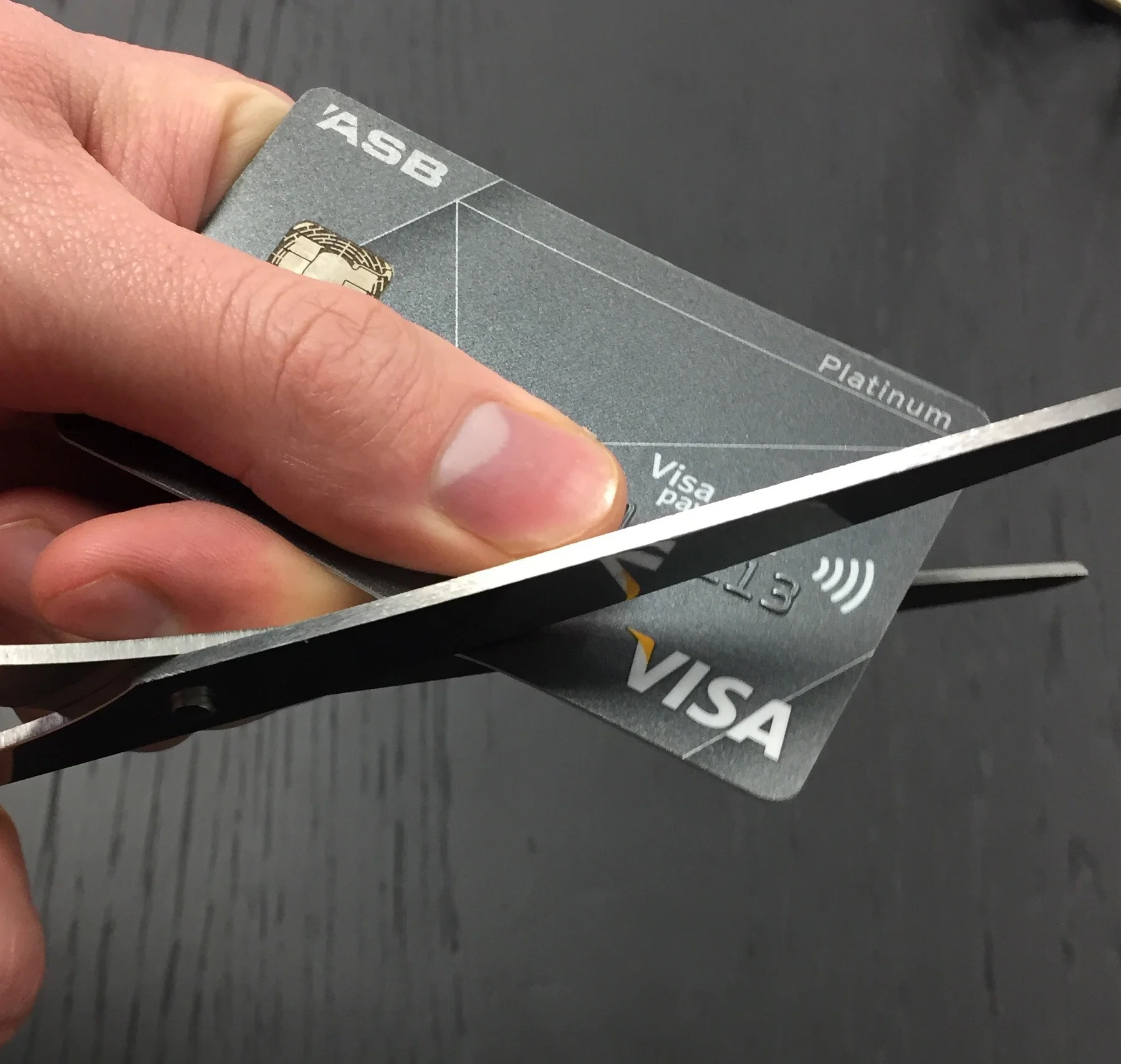
We all know that cards have interest rates and its not difficult to work out the interest cost per month. If you have a $10,000 balance owing, on a 20% card, the interest cost will be $166 a month.
Credit cards: You don’t need one
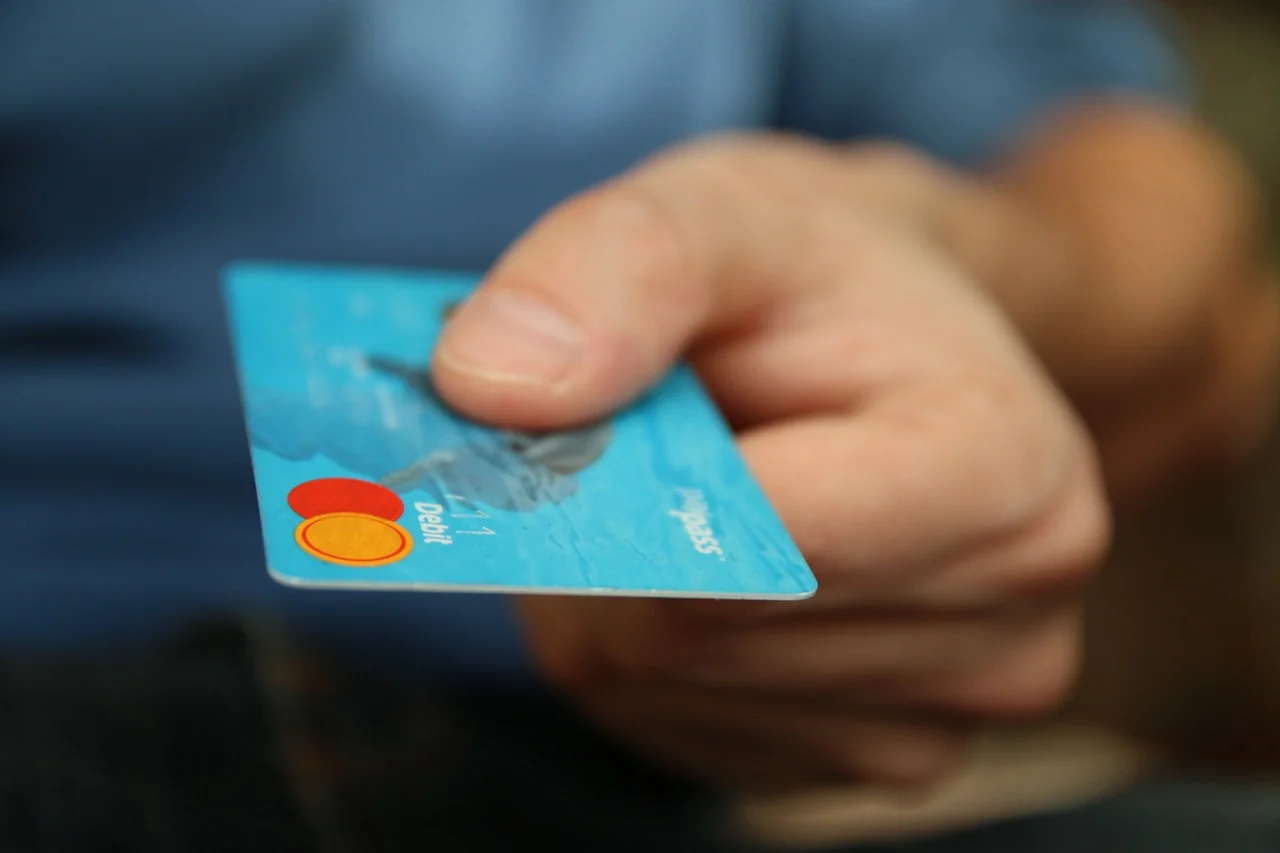
Credit cards are debt, they are about spending money you don’t have and future you has to pick up the tab for what today you is spending.
They fool you into thinking you have more money than you do. A $10,000 limit on your credit card is not $10 000 you have, it’s just pre-approved debt.